
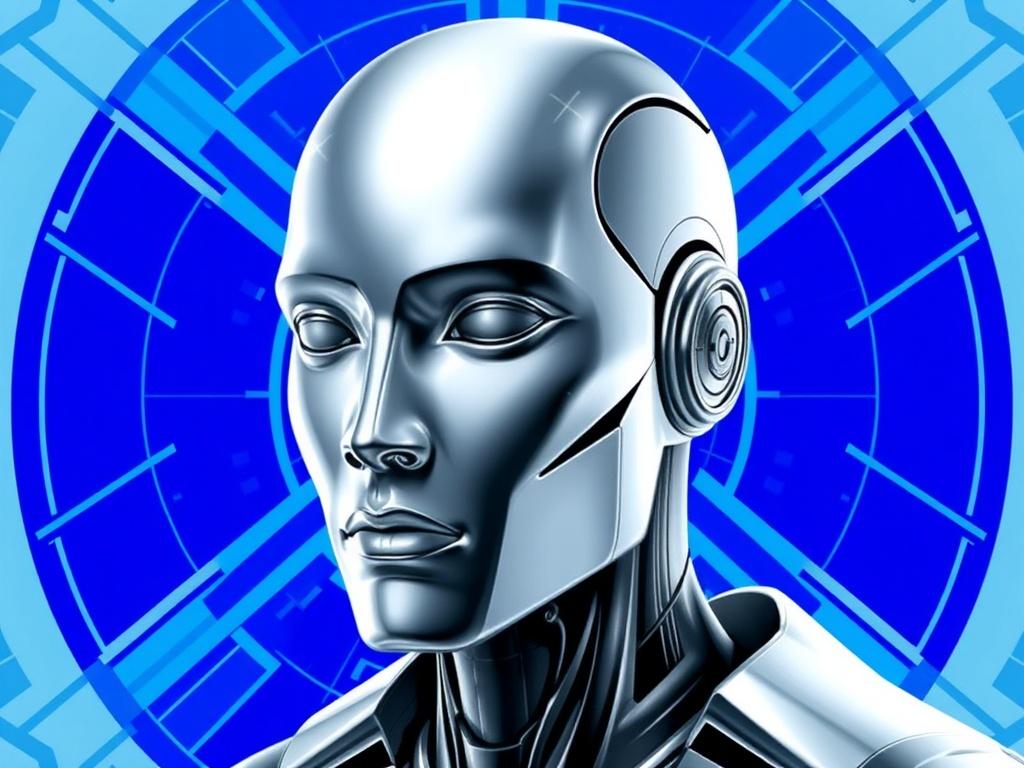
Across the field of automation, the partnership between Artificial Intelligence (AI) and robotics is producing a deep change throughout many sectors. This alliance goes beyond mere automation of routine work, altering how we define labor and output. Here, we examine how AI and robotics combine to influence the next wave of automation, transforming manufacturing, healthcare, logistics, and other areas.
Where AI Meets Robotics
Machines That Think
AI supplies robots with mental functions, allowing them to sense, interpret, and choose actions. With AI onboard, robots gain flexibility, learn from their surroundings, and adapt to evolving situations.
Robots’ Physical Strength
Conversely, robotics gives AI a body with which to affect the material world. Robots can grasp items, move through spaces, and carry out jobs that conventional software-based AI cannot physically perform.
Changing Manufacturing
Connected Factories
In production, robots powered by AI are creating the smart factory era. These facilities use robots with computer vision and machine learning for intricate assembly, inspection, and anticipatory maintenance tasks.
Greater Productivity
Robots enhanced with AI operate alongside people, boosting output and streamlining processes. They take on monotonous and physically demanding work, freeing human employees to handle more complex and inventive duties.
Transforming Healthcare
Robotic Surgery
Surgical systems driven by AI are changing medical practice. These robots support surgeons with fine control and precision, enabling less invasive procedures that speed up patient recovery.
Caregiving Robots
Robots are increasingly used in patient support, helping with lifting and moving, delivering medications, and offering companionship to seniors or those who are isolated.
Improving Logistics and Supply Chains
Automated Warehouses
Within logistics and supply chain operations, AI-enabled robots are reshaping warehouse work. These machines autonomously navigate and pick items, improving throughput and shortening order fulfilment times.
Final-Mile Solutions
Self-governing delivery robots are being used for last-mile distribution, cutting delivery expenses and accelerating service in urban environments.
Obstacles and Key Issues
Ensuring Safety
Safety is a top priority when combining AI with robotics. Making certain robots can function safely near people remains a major challenge.
Moral Questions
The deployment of AI and robots also prompts ethical dilemmas, especially around autonomous choices. Who bears responsibility for actions taken by AI-driven machines in critical situations?
What Lies Ahead for AI Robotics
Working Together
The next phase of AI-driven robotics will emphasize tighter collaboration between humans and machines. Robots will serve as partners, enhancing human skills rather than replacing them.
Tailored Interactions
AI will allow robots to deliver more customized services and interactions, adjusting their behavior to match personal tastes and requirements.
Adaptable Designs
Robots powered by AI will offer high adaptability and customization, making them useful across an expanding variety of industry applications.
Conclusion
The union of AI and robotics is transforming automation, reshaping industries, and expanding what machines can accomplish. As AI evolves, we should expect deeper integration between these fields, producing smarter, more capable robots that improve lives and fuel economic progress.
Although the future is full of potential, careful attention must be paid to the challenges and ethical issues tied to AI-driven robotics. Balancing innovation with safety and ethical responsibility will be vital as humans and robots increasingly operate together.
