
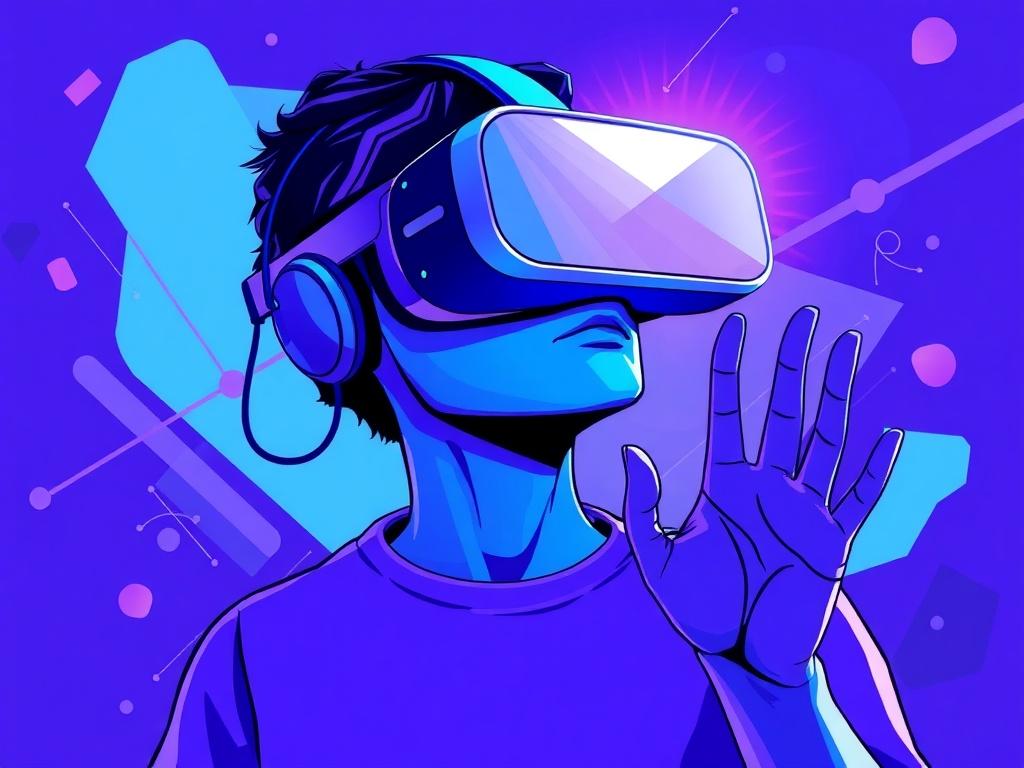
Virtual Reality (VR) has progressed immensely since it first appeared, and its uses now reach far beyond gaming. Although games continue to push VR development, many sectors are adopting VR to transform workflows, boost training, and elevate user interactions. This piece presents specialist perspectives on VR progress and examines how it is moving past gaming to influence a wide range of fields.
The Evolution of VR Hardware
More Immersive Headsets
Headset designs have advanced quickly, delivering deeper immersion for users. Sharper screens, broader viewing angles, and better tracking make current VR headsets more believable and comfortable. These improvements support VR adoption in scenarios that demand realism, such as virtual tourism and architectural walkthroughs.
Wireless and Portable VR
Standalone and wireless headsets have freed users from cables and external trackers. Systems like the Oculus Quest line have increased portability and accessibility, encouraging VR use in schools, professional training, and distributed teamwork.
VR in Education and Training
Immersive Learning Environments
VR can reshape education by offering immersive settings for students. From stepping into past events to running virtual lab experiments, VR provides hands-on learning that surpasses conventional textbooks and lectures. It supports diverse learning preferences and boosts engagement.
Training Simulations
Fields like medicine, aviation, and manufacturing employ VR to build lifelike training scenarios. Surgeons rehearse difficult operations, pilots use flight simulators, and production workers train on equipment safely—all in virtual spaces. These practices strengthen skills, lower hazards, and cut costs.
VR in Healthcare
Pain Management
VR has promising applications in pain relief and distraction therapy. Patients facing medical treatments or rehabilitation can enter calming virtual settings that shift focus away from discomfort. It presents a nonpharmacological option for easing pain.
Diagnostic and Rehabilitation Tools
VR helps with diagnostics by displaying scans in three dimensions. It also supports recovery programs for stroke survivors and people with mobility issues by offering interactive exercises and monitoring improvements.
VR in Architecture and Design
Architectural Visualization
VR is changing architects’ and designers’ workflows. It enables professionals to move through virtual structures, assess spatial arrangements, and make more accurate design choices. VR also improves client briefings, letting stakeholders inspect plans ahead of construction.
Interior Design
Interior design practitioners use VR to show clients and customize interiors. Clients can virtually tour their future homes and try different materials, colors, and layouts. This hands-on process leads to clearer design decisions.
VR in Remote Collaboration
Virtual Meetings and Conferences
VR adds a new layer to remote work by creating shared virtual environments for meetings and conferences. Attendees can meet as avatars in a virtual space, creating a stronger sense of presence and aiding communication.
Cross-Continental Collaboration
Distributed teams around the world can work together in VR without interruption. Architects, engineers, and designers in different regions can collaborate on projects in the same virtual environment, boosting efficiency and cutting travel needs.
Challenges and Considerations
Despite its strong promise, VR faces hurdles such as cost, content production, and equitable access. Premium VR gear can still be pricey, which hampers broad uptake. Additionally, crafting engaging VR experiences demands specific expertise and investment.
Accessibility remains an issue too, since some VR experiences can exclude people with certain disabilities. Ongoing work aims to make VR more inclusive and to tackle these barriers.
Conclusion
Virtual Reality has moved beyond its gaming origins to become a powerful tool across many fields. From learning and medicine to design and remote teamwork, VR is enriching experiences, enhancing training, and reshaping our interaction with digital content.
