
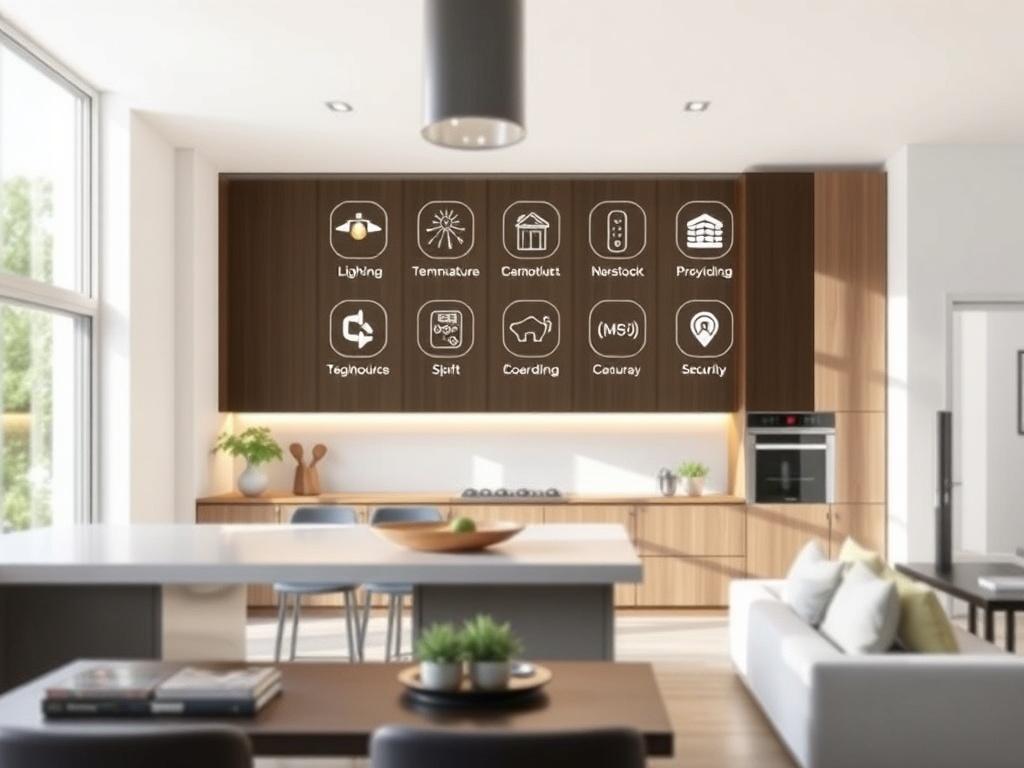
The idea of a “smart home” has shifted from futuristic speculation to an attainable, practical reality. Incorporating Artificial Intelligence (AI) is redefining smart living by boosting convenience as well as security, energy conservation, and overall quality of life. In this article, we examine expert perspectives on AI’s role in smart home systems and the deep effects it has on modern daily living.
The Rise of AI in Smart Homes
AI-Powered Virtual Assistants
The arrival of AI-driven virtual assistants like Amazon Alexa, Google Assistant, and Apple’s Siri has changed how we engage with our living spaces. These voice-activated systems can manage many smart devices, respond to questions, give weather briefings, play music, or offer recipe ideas. They serve as the home’s central intelligence, making everyday tasks simpler and more accessible.
Machine Learning for Predictive Automation
Machine learning models power many smart home features by observing user habits and adapting to preferences over time. For instance, a connected thermostat can learn your preferred temperature changes and build an automated schedule to enhance comfort and cut energy use. These algorithms also strengthen security by spotting odd patterns and warning homeowners about potential risks.
Enhanced Security and Safety
AI-Powered Surveillance
Surveillance systems using AI apply facial recognition and object detection to tell family members, guests, and trespassers apart. They deliver live alerts and can distinguish routine activity from suspicious behavior, providing an additional security layer for residences.
Fire and Carbon Monoxide Detection
Smoke and carbon monoxide detectors enhanced with AI can tell the difference between false alarms and real dangers. They offer spoken warnings to help occupants evacuate and can automatically notify emergency responders when required, cutting response times in urgent situations.
Energy Efficiency and Sustainability
Smart Energy Management
AI-based energy management learns homeowners’ daily routines to optimize consumption. It can automatically adjust heating, cooling, and lighting to reduce waste. Some platforms also display live energy usage metrics, helping users make smarter decisions about their consumption.
Solar Panel Optimization
In homes with solar installations, AI can maximize power generation by tracking weather forecasts and tweaking panel orientation to capture more sunlight. This helps homeowners get the most out of their solar energy systems.
Improved Healthcare and Well-being
Health Monitoring
Smart home devices powered by AI can track health and wellness. For example, intelligent beds monitor sleep cycles and can modify firmness for better comfort. Wearables feed health data into AI systems that then deliver insights and recommendations for healthier living.
Medication Management
AI-enabled medication dispensers remind users to take medicines on schedule and release the correct doses. These devices are especially helpful for people with chronic conditions or those managing complicated medication routines.
Simplified Home Entertainment
Content Recommendations
AI recommendation engines study users’ entertainment tastes to suggest movies, TV shows, and music tailored to their preferences. This personalization improves the home entertainment experience by helping users find content they will likely enjoy.
Voice-Controlled Entertainment
Virtual assistants powered by AI can manage entertainment systems through voice instructions. Users can tell their assistant to play a track, change the volume, or switch streaming platforms without reaching for a remote.
Challenges and Considerations
Although AI integration in smart homes brings many advantages, it also introduces several important issues:
Privacy and Data Security
AI platforms gather large volumes of information about users’ routines and actions. Securing this data against breaches and unauthorized access is essential. Homeowners should understand privacy controls and take steps to protect their personal information.
Compatibility and Interoperability
Getting different smart devices and systems in a home to communicate smoothly can be difficult. Compatibility problems arise when manufacturers use proprietary standards. Industry-wide protocols and interoperability efforts are necessary to solve these issues.
Conclusion
AI’s integration into smart home technologies is changing daily life by delivering convenience, enhanced security, better energy use, and improved well-being. Virtual assistants and machine learning are driving this shift, making homes more responsive and better tuned to our needs.
