
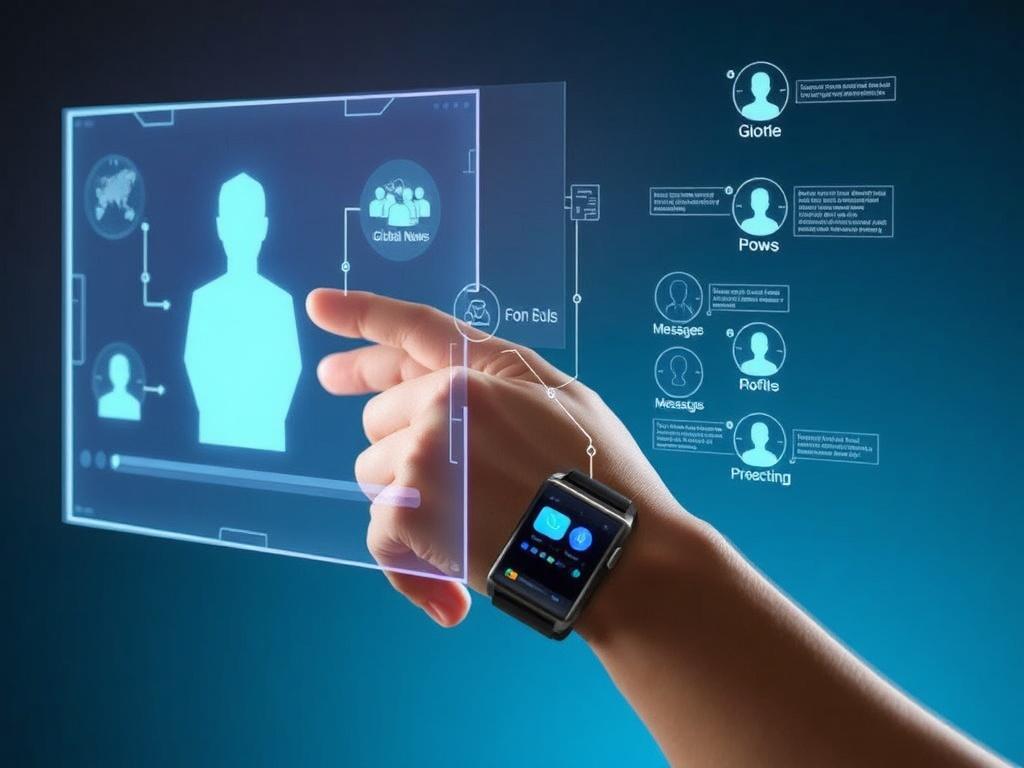
In recent years, wearable technology has undergone significant expansion and innovation, changing how we use and gain value from personal gadgets. Ranging from fitness bands and smartwatches to augmented reality spectacles, the new wave of wearables is set to reshape everyday routines. This article examines current developments and trends in wearable tech, highlighting how these devices are increasingly woven into our digital lives.
Evolving Form Factors
Smartwatches Reinvented
Smartwatches no longer only deliver simple alerts and exercise metrics. Today’s models include sophisticated health-sensing capabilities like ECG monitoring, blood-oxygen measurements, and sleep analysis. They also integrate tightly with phones, allowing wearers to place calls, respond to texts, and run apps right from their wrists.
Smart Clothing
Smart clothing is becoming more popular, with garments fitted with sensors and electronics to observe different health indicators. Smart shirts, athletic bras, and even sensor-lined socks can monitor heart rate, body temperature, and posture, supplying useful information for both fitness lovers and medical practitioners.
Health and Wellness Monitoring
Continuous Health Tracking
Wearables are turning into vital instruments for tracking individual health. They can monitor vital signs nonstop, identify anomalies, and deliver meaningful data to users and clinicians. Such devices are instrumental in spotting illnesses early and managing long-term health conditions.
Mental Health Focus
Newer wearables are tackling mental health as well. Units with biosensing capabilities can gauge stress, observe sleep habits, and offer breathing exercises or prompts when stress is detected. These tools help people better oversee and support their mental well-being.
Augmented Reality (AR) and Virtual Reality (VR)
AR Glasses
Augmented reality eyewear is reaching consumers, providing hands-free entry to information and digital content. AR glasses superimpose virtual elements onto the physical world, proving useful for navigation, remote support, gaming, and learning.
VR Headsets
Virtual reality headsets are growing more affordable and immersive. Beyond gaming, they serve in training, education, and virtual travel. Enhanced visuals, motion tracking, and haptic feedback create richer, more believable VR experiences.
Assistive and Productivity Tools
Accessibility Wearables
Wearables are advancing accessibility for people with disabilities. Gadgets such as smart glasses featuring speech recognition and haptic cues can help visually impaired users navigate and perform everyday activities. Wearable solutions are also applied to sign-language translation and communication aids for those with hearing loss.
Productivity Enhancements
Wearables are improving productivity across multiple sectors. On factory floors, staff can use smart glasses to view assembly steps and get live guidance. In logistics, wearable scanners and AR displays are making inventory control and order processing more efficient.
Challenges and Considerations
While wearable technology holds immense promise, it faces several challenges, including:
Privacy Concerns
Wearables gather large volumes of personal data, creating privacy and security challenges. Both users and makers need to be proactive in protecting this sensitive information from leaks and abuse.
Battery Life
With more features packed into wearables, battery longevity continues to limit them. Extending power life while maintaining sophisticated capabilities remains an ongoing hurdle for designers.
Interoperability
To fully realize their potential, wearables need to work smoothly with other devices and ecosystems. Guaranteeing interoperability with phones, tablets, and various platforms is crucial for a unified user experience.
Conclusion
Wearable technology leads the charge among next-generation personal devices, delivering many features and uses that go far beyond fitness monitoring. These gadgets could transform healthcare, boost productivity, and deliver immersive digital experiences.
